- Salar de Uyuni, Bolivia
ANALYTICS & REPORTING
I use data to make marketing clearer, faster, and more predictable.
The Framework:
Making Data Actionable.
When I took over marketing for Oscar’s U.S. offices, one of my first goals was to make reporting effortless.
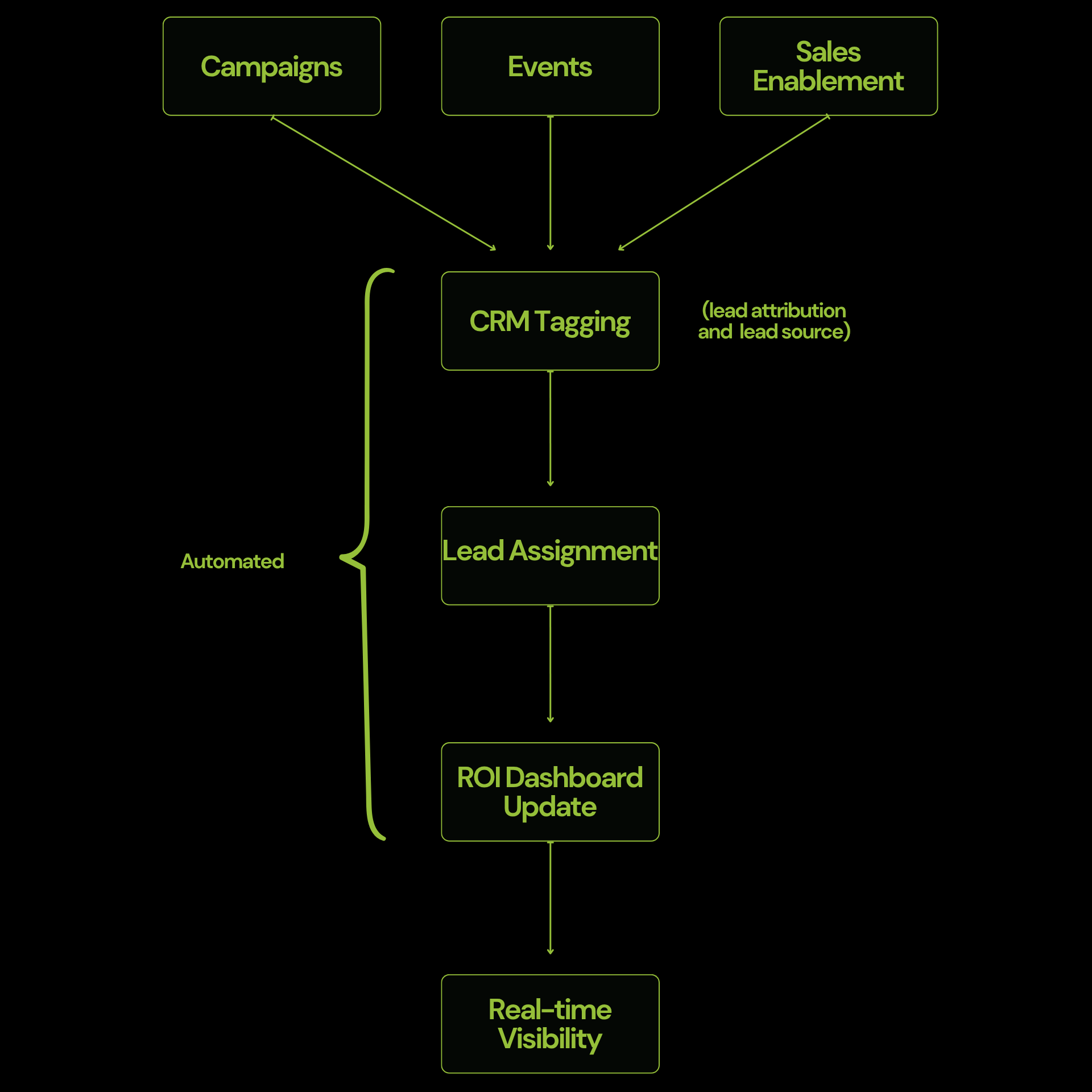
I created a unified analytics framework using Mercury CRM, Force24, and Excel to track MQL generation, lead attribution, and ROI.
Every new client or candidate placement automatically updated our dashboards through integrated tagging and workflows, removing manual tracking entirely.
This setup gave leadership real-time visibility into what marketing was delivering — turning reporting from a chore into a strategic advantage.
The INSIGHTS:
TURNING PATTERNS INTO STRATEGY.
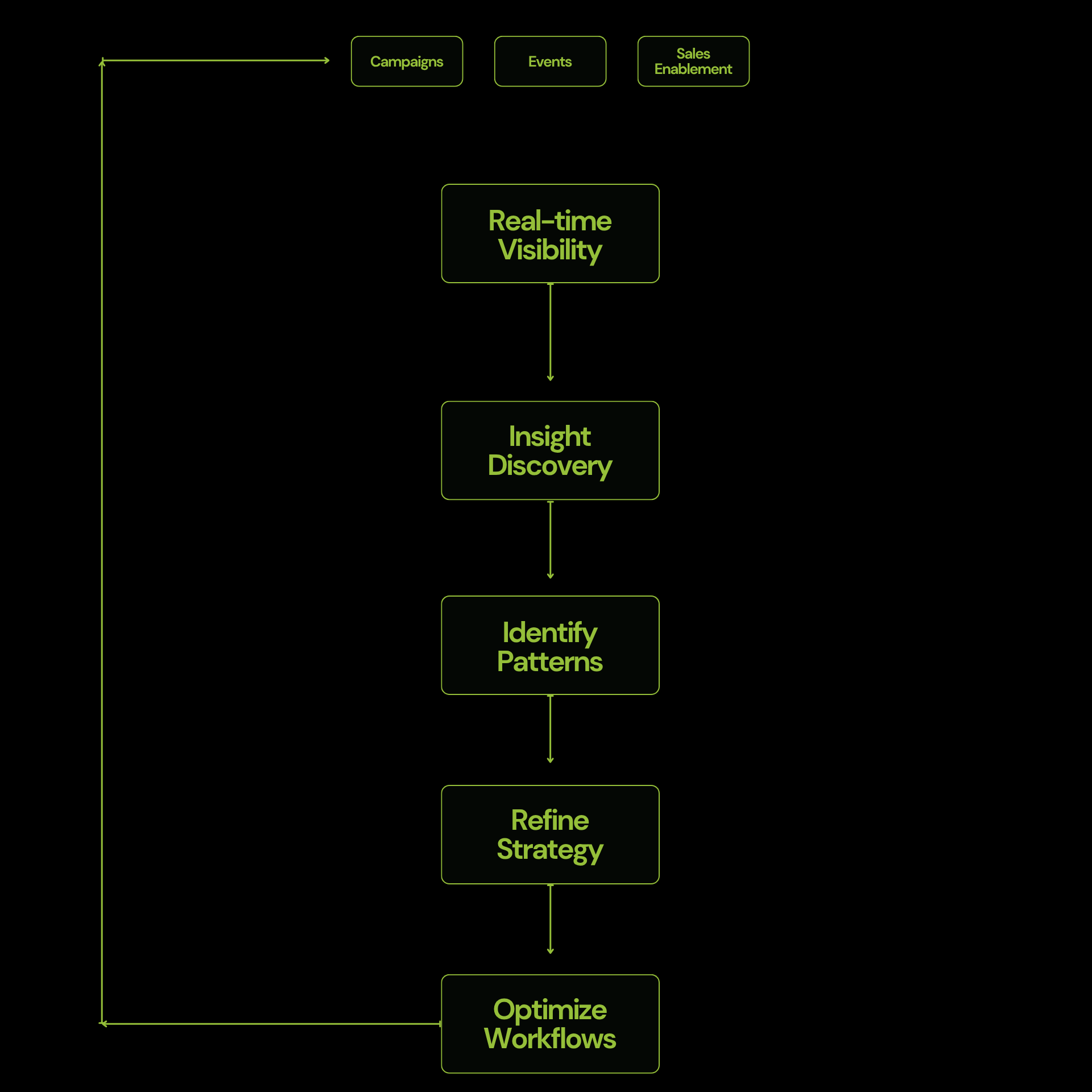
Once the tracking framework was in place, I started analyzing the performance of every major content piece we produced.
By comparing open rates, click behaviour, and engagement patterns across sectors, we could identify consistent signals about what audiences actually cared about.
One of the clearest patterns was how people interacted with our salary reports and market insight content. These always generated deeper engagement and stronger intent than standard outreach. By analyzing heatmaps, click paths, and consumption trends, we were able to refine our cadence, subject lines, and page layouts to increase conversions.
These insights helped us prioritize the right content themes, allocate resources more effectively, and ensure consultants were equipped with materials that genuinely resonated.
The IMPACT:
Connecting Insight to Pipeline Growth.
As we layered in more data over time, we started spotting behavioural patterns that helped predict buying or job-seeking intent.
For example, candidates who engaged with multiple pieces of sector-specific content often entered the job market within weeks. Clients who downloaded salary benchmarking or funding-related materials were far more likely to begin hiring conversations shortly after.
These patterns allowed us to build automated follow-up sequences that met people at the right moment. It sharpened our targeting, improved consultant follow-up, and increased the quality of leads entering the pipeline.
Combined with improved attribution, this approach directly supported a 23% increase in U.S. client and candidate leads and a 19% YoY revenue increase. Marketing became a reliable engine for predictable pipeline growth rather than a reactive support function.